Mattress Hygiene & Care
Choosing Natural Latex: A Guide to Feel, Support, and Care
Natural latex is often described as buoyant, springy, and supportive—but those words can mean different things from one mattress to the next. Understanding how latex is made, how its layers are arranged, and how firmness interacts with your sleep position can help you choose a surface that feels right and stays comfortable over time.
A practical guide to latex comfort, construction, support, and everyday care.
Choosing a mattress is part science, part sensation. You can compare materials, thicknesses, and firmness descriptions on paper, but the final question is more intimate: how does the bed feel when you lie down, settle in, and wake up? Natural latex has a distinct answer. Rather than letting the body sink slowly into a deep impression, it tends to respond quickly, lifting back as pressure shifts. Many sleepers call that buoyant; others simply notice that it is easier to change position.
Yet “latex mattress” is not a single, standardized feel. Latex can differ in its processing method, density, firmness, layer arrangement, and surrounding materials. A mattress built with one thick latex core may behave differently from one made of several replaceable layers. Even two models labeled “medium” can feel unlike each other, especially when the sleeper’s body shape, weight, preferred position, and bed base are different.
The most useful approach is to treat a label as a starting point, not a verdict. Learn what the construction tells you, consider what support means for your body, and ask how the maker expects the mattress to be cared for. Those details are more revealing than a broad promise of comfort.
What people mean by natural latex
Natural latex begins with latex, the milky sap of rubber trees. In mattress production, that material is processed into a resilient foam. “Natural” describes the source material, but it does not, by itself, tell you every detail of a finished mattress. Construction can include other components—such as fabric, wool, adhesives, or additional materials—and the percentage and certification claims may vary. Read the maker’s material disclosures rather than assuming that one term answers every question.
Latex is also not the same as a latex allergy claim on a label. People with known sensitivities should review the manufacturer’s information and consult a qualified health professional if they are uncertain. A finished mattress may contain processed latex enclosed in fabric, but that fact alone is not a substitute for individualized medical guidance.
When comparing options, look for clear descriptions of the latex type, layer count, firmness choices, cover materials, and care instructions. If a product says it is organic or certified, check what the certification applies to and whether the claim covers the entire mattress or a particular component. Specific disclosures make comparisons more meaningful and help separate material facts from marketing language.
Dunlop and Talalay: two ways of making latex
Two common latex processes are Dunlop and Talalay. Both produce latex foam, but the manufacturing steps differ, and the resulting materials can have distinct qualities. It is tempting to reduce the comparison to a single rule—one is always firmer, the other always softer—but real products vary. Formulation, thickness, firmness selection, and the mattress design around the latex all affect the experience.
Dunlop latex is made through a process that produces a dense, resilient foam. It is often used in supportive mattress layers, though it can also be made in different firmnesses. Talalay latex involves additional processing steps, including expansion and controlled freezing before curing. Its structure and feel are often described as more consistent or airy, but the details depend on the specific product.
These distinctions can help frame questions, not replace testing. Ask how the particular layer is intended to function in the mattress and whether the maker can explain its firmness options. If a mattress combines Dunlop and Talalay, find out where each type sits and what role it plays. The name of the process alone cannot predict the exact feel under your body.
- Ask about the actual layers: Find out what material is used in each layer and whether the arrangement can be changed.
- Compare firmness within the same model: A process label does not tell you whether a specific layer is soft, medium, or firm.
- Consider the whole build: Cover fabric, wool or other padding, total thickness, and the foundation all influence how the bed feels.
The latex feel: responsive, but not weightless
Latex is commonly valued for its quick response. When you press into it, the material compresses and rebounds without the slow, enveloping sensation associated with some other foams. That can make movement across the surface feel comparatively easy. Couples may also appreciate that a mattress can cushion the body without feeling as if it is swallowing it, though motion transfer depends on the full mattress construction and the people using it.
Responsiveness is not the same as firmness. A soft latex layer can still spring back quickly; a firm one can also feel lively rather than rigid. The important distinction is how far the body sinks and where the mattress resists that sinking. A useful fit generally combines enough cushioning at pressure points with enough support to keep the body from sagging into an uncomfortable position.
Some sleepers enjoy the lifted sensation immediately. Others need time to adjust, especially if they are moving from a deeply contouring mattress. During a trial, pay attention not only to the first impression but to what happens after several minutes in your usual position. Notice pressure at the shoulders and hips, support through the waist, ease of turning, and whether you feel stable across the surface.
Temperature is another part of the sensory picture. Latex is often described as breathable, but sleeping temperature is influenced by more than the foam: room conditions, bedding, clothing, body temperature, mattress cover, and the base all matter. If heat is a concern, evaluate the entire sleep setup instead of relying on one material characteristic to guarantee a cooler night.
Support starts with fit, not a firmness slogan
People often search for the “right” firmness as if there were a universal answer. In practice, comfort is personal, and support is a relationship between the sleeper and the mattress. Body weight, shape, sleep position, mobility, and individual pressure sensitivity can change how the same latex layer feels. A mattress that seems pleasantly firm in a showroom may feel different after a full night at home.
Side sleepers commonly need enough give around the shoulder and hip to reduce concentrated pressure, while still feeling supported along the torso. Back sleepers may prefer a surface that cushions the hips without letting them settle too deeply. Stomach sleepers often look for a firmer, more level feel, though individual needs vary. These are useful considerations, not fixed rules or medical advice.
When testing, use your normal pillow and lie in the positions you actually use. Give each position time. If you wake with a recurring ache or notice numbness, that is a reason to reassess the setup, but persistent pain deserves advice from a qualified health professional rather than a mattress diagnosis alone.
For adjustable or layered latex designs, customization can make the decision more flexible. Some mattresses allow layers to be rearranged or exchanged; others offer a fixed build. Ask which parts can be changed, whether both sides can be customized independently, how an exchange works, and what fees or time limits apply. A customization policy is most helpful when its terms are clear before purchase.
Layer construction changes the decision
A latex mattress may contain one continuous core or multiple separate layers. A single-core design keeps construction straightforward. A layered design can offer more control over firmness and may make future adjustments possible, depending on the model. Neither approach is automatically better: the right choice depends on desired feel, practical needs, and the details of the product.
Thickness matters, but more inches do not guarantee better support. A thinner mattress may be appropriate for some bodies and uses, while others may need a deeper, more carefully layered build. The mattress also needs a suitable base. Follow the manufacturer’s guidance on slat spacing, platform requirements, adjustable bases, and weight limits. An unsuitable foundation can affect how the mattress performs and may create a warranty issue.
Consider the cover and any natural-fiber layers as part of the comfort system. Wool, cotton, and other textiles can affect surface feel, moisture handling, and temperature. They also affect care: a removable-looking cover is not necessarily machine washable. Confirm whether the cover can be removed, whether it can be washed, and what to do if a spill reaches the mattress interior.
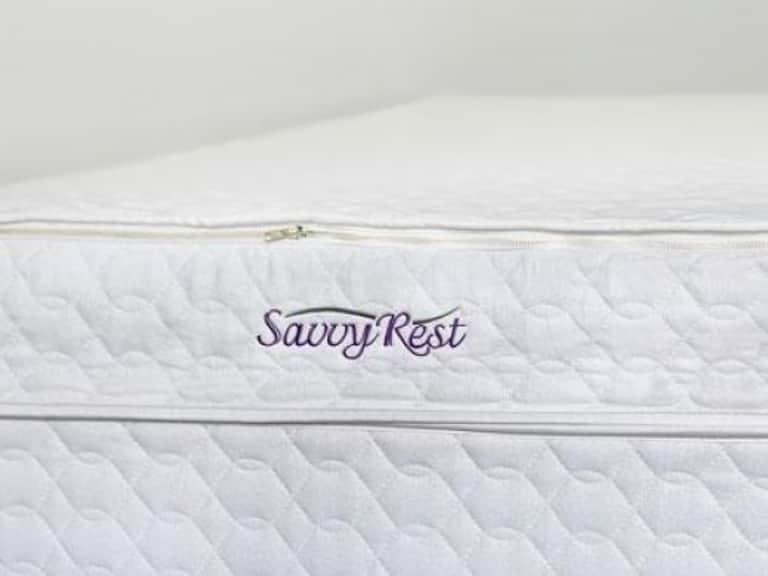
For shoppers comparing customizable models, the Savvy Rest Tranquility Latex Mattress is an example of a layered latex design offered with two layers and choices involving Dunlop, Talalay, or a combination. Its product information describes a zippered organic-cotton cover and recommends spot cleaning rather than machine washing. As with any mattress, review the current product specifications and policies directly before deciding whether its construction suits your needs.
A practical checklist before choosing
Before buying, translate broad preferences into questions that can be answered. “I want a comfortable natural mattress” is a reasonable beginning; a checklist helps narrow the field without pretending that comfort can be predicted perfectly from a product description.
- What feel do you prefer? Decide whether you like a quick, springy response, deep contouring, or something between the two.
- Which position do you use most? Consider where you need pressure relief and where you prefer a more level, stable surface.
- What is inside the mattress? Ask about latex type, firmness, layer thickness, cover, and any wool or other components.
- Can the feel be adjusted? Confirm whether layers can be rearranged or exchanged, and read the terms carefully.
- What foundation is required? Check compatibility with your existing bed frame, platform, or adjustable base.
- How should it be cleaned? Learn what is washable, what should only be spot cleaned, and which products should be avoided.
- What does the trial or warranty cover? Review time limits, exclusions, return costs, and care conditions before purchase.
If possible, test a comparable mattress in person. If that is not practical, look for a clearly stated home-trial policy and keep the documents that explain the conditions. A generous-sounding trial may still have requirements about protectors, handling, or return arrangements.
Caring for latex without overcleaning
Latex care is generally less about frequent deep cleaning than about preventing avoidable damage. The safest instructions are the ones supplied by the mattress maker, because covers and layer systems vary. Do not assume that a zippered cover can be removed and laundered; zippers may exist to assemble or adjust the mattress rather than to make the cover washable.
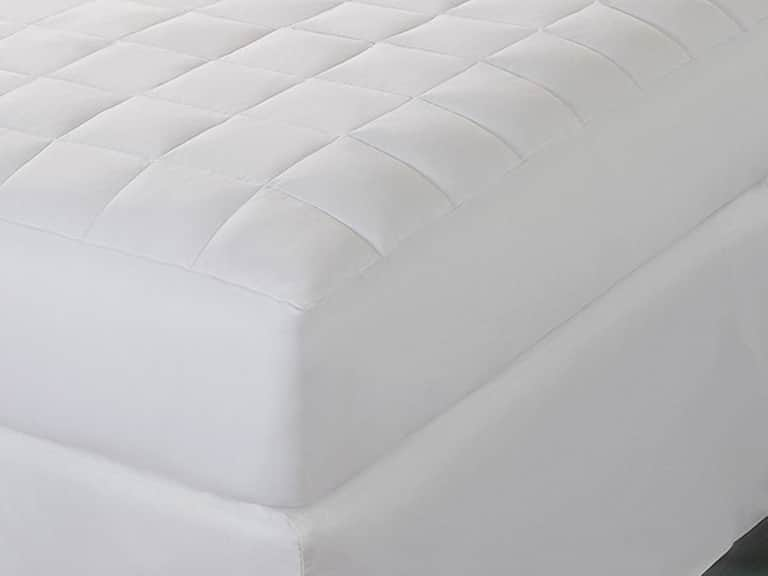
Use a properly fitted protector if the maker permits one. A protector can help limit exposure to sweat, dust, spills, and everyday wear, but its effect on comfort depends on its materials and fit. Choose a size and depth that stay secure without pulling the mattress out of shape. A waterproof option can be useful where liquid protection is important, while a breathable textile protector may be preferred by sleepers who want a lighter layer. Follow the care label and the mattress warranty requirements.
For routine upkeep, keep sheets and washable bedding on a regular laundering schedule suited to your household. If the mattress surface needs attention, start with the least aggressive method allowed by the manufacturer. For many covered mattresses, that means addressing a small mark with a lightly damp cloth rather than saturating the material. Avoid soaking latex, applying unapproved solvents, or using high heat. Excess moisture can be difficult to remove from internal layers and may cause damage.
If a spill occurs, remove the bedding and protector promptly. Blot the affected area gently with a clean, absorbent cloth; do not rub the liquid deeper into the surface. Follow the maker’s specific guidance on any mild cleaning solution and drying method. Allow the mattress to dry thoroughly before remaking the bed. If liquid has penetrated deeply, or if there is a persistent odor or visible damage, contact the manufacturer for advice rather than improvising with strong cleaners.
Ventilation can help after cleaning or when the mattress has been uncovered. Keep the space dry and well aired, and avoid placing damp bedding back on the bed. Do not use a hair dryer, heater, or direct high heat unless the manufacturer explicitly permits it. Aggressive cleaning can create a new problem where a small, careful response would have been enough.
Common assumptions worth checking
“Natural” means maintenance-free. Natural materials still need appropriate protection and care. Read the label and follow the instructions for the complete mattress, not just the latex component.
One latex type always feels a certain way. Dunlop and Talalay differ in production, but a process name cannot determine a sleeper’s experience on its own. Firmness, thickness, layers, and cover all matter.
More firmness means more support. A mattress that feels too hard may not provide a comfortable fit for a particular sleeper. Support is about how the surface responds to the body, not simply how much resistance it offers when pressed by hand.
A protector will never change the feel. Any layer between the sleeper and mattress can influence surface sensation, temperature, and movement. A thin, well-fitted protector may be unobtrusive, but test or choose it with the mattress’s feel in mind.
Latex must be cleaned on a fixed schedule. Unless the maker says otherwise, routine care usually means protecting the mattress, laundering bedding, and dealing promptly with spills—not repeatedly applying cleaners to the foam.
A better measure of the right mattress
The promise of natural latex is not that it will suit everyone. Its appeal lies in a particular combination of resilience, responsive support, and construction options. For some sleepers, that combination feels immediately right. For others, a different material or a different latex firmness may make more sense. The name on the label cannot make that decision for you.
Focus on what you can verify: the materials and layers, the feel you prefer, the way the mattress is supported, and the care the manufacturer expects. Then give the surface a fair assessment in the positions you use and under conditions close to everyday life. A thoughtful choice is not a hunt for a perfect adjective. It is a match between a real construction and the way you need a bed to perform.
Protect the mattress from spills where practical, clean only as directed, and resist the urge to treat a natural material as indestructible—or unusually delicate. Simple, consistent habits are often enough to help preserve comfort over time.
Frequently asked questions
Is natural latex always firm?
No. Latex is available in different firmness levels, and the feel also depends on layer thickness, mattress design, cover materials, and the sleeper. Check the specifications for the exact model rather than relying on the word “latex.”
Can I wash a latex mattress cover?
Only if the manufacturer specifically says it is washable and provides washing instructions. A removable or zippered cover is not necessarily designed for laundering. Some covers should only be spot cleaned.
Does a mattress protector affect latex comfort?
It can. Fabric, waterproofing, thickness, and fit may change how the mattress feels or regulates heat. Choose a protector that meets your practical needs and follow both the protector’s label and the mattress maker’s recommendations.
How should I deal with a spill?
Remove bedding, blot gently, and follow the mattress maker’s cleaning instructions. Avoid soaking the latex, harsh chemicals, or high heat. Let the surface dry fully before covering it again.