A Practical Guide to Allergen Reduction in the Bedroom: Focus on Mattresses and Bedding
In the quiet hours between dusk and dawn, the bedroom is more than a place to sleep. It is a frontline in the battle against airborne and surface allergens that can disrupt rest, trigger sniffles, or wakeful nights. This guide examines how mattresses, protectors, and bedding play pivotal roles in reducing allergen exposure, with evidence-based routines you can adopt without overhauling your life.
Why the Mattress and Bedding Matter for Allergies
Allergens—dust mites, pollen, pet dander, and mold spores—primarily enter the sleeping environment through fabric, textiles, and household dust. Among these, the mattress and its immediate coverings are not passive layers; they can accumulate skin flakes, perspiration, and dermal debris that become a steady fuel source for microscopic guests. For many people, mattress hygiene translates directly into fewer nighttime awakenings, clearer mornings, and a more restorative sleep.
Scientific guidance emphasizes two parallel strategies: (1) controlling the environment to minimize allergen presence, and (2) maintaining a cleaning cadence that prevents buildup. The goal is not sterile perfection but a sustainable, practical approach that reduces exposure while preserving comfort and sleep quality.
Core Components: Mattresses, Protectors, and Bedding
The focus is practical and actionable. Here are the core components, with clear steps you can implement today:
- Mattress Protectors: A barrier that shields the mattress from bodily fluids, skin flakes, and dust mites. Choose protectors with breathability, a secure fit, and a surface that is easy to wash. A reliable protector should fit snugly around the mattress depth and be machine-washable.
- Mattress Toppers and Pads: These add an extra layer of protection and can influence moisture management and temperature regulation. Look for materials that balance comfort with hygiene properties, such as natural fibers or carefully engineered fills that resist moisture buildup.
- Bedding and Sheets: Daily-contact textiles—sheets, pillowcases, and comforters—contribute to allergen exposure potential. Hypoallergenic fibers, low-particle fabrics, and regular laundering at appropriate temperatures help reduce allergen loads.
- Allergen-Resistant Materials: Materials labeled as hypoallergenic or designed for sensitive sleep can reduce irritants. While no fabric is completely anti-allergen, combinations of washable surfaces and barrier protection significantly lower exposure.
Evidence-Based Routines: A Practical Schedule
A simple, sustainable routine can make a meaningful difference. The following schedule blends daily habits with periodic deep-cleaning to manage allergens without becoming burdensome:
- Daily:
- Change and launder pillowcases and top sheet weekly to minimize skin-cell accumulation.
- Use a breathable, washable mattress protector to shield the mattress from daily moisture and allergens.
- Weekly:
- Launder sheets, pillowcases, and light blankets in hot water if materials permit, or as recommended by care labels (typically 130–140°F/55–60°C for effective allergen reduction).
- Vacuum the mattress perimeter and headboard with a vacuum equipped with a HEPA filter, if possible, to capture visible dust and skin debris from the surrounding zone.
- Seasonal or Quarterly:
- Perform a deeper clean of the bedding environment: wash all washable fabrics at high temperature, and rotate or replace bedding components as needed for hygiene and wear. Consider freshening the room with air exchange routines and lower humidity to deter dust mites.
- Inspect and replace worn protectors or toppers that may harbor allergens after extended use.
Material Considerations: Hypoallergenic Options
Material choices influence how easily allergens are managed. Here are practical guidelines for mattresses, protectors, and bedding:
- Bedding fabrics: Opt for tightly woven cottons with a high thread count or other tightly woven fabrics designed for allergy-prone sleepers. Percale and sateen weaves can offer different textures; the key is a fabric you can launder effectively without pilling or wear that would trap debris.
- Mattress protectors: Seek protectors with a barrier layer that blocks fluids and allergens while maintaining air permeability. The best options balance a soft feel with durable, washable surfaces.
- Mattress toppers: If used, ensure they are breathable and easy to clean. Natural fibers such as wool can offer moisture management, while synthetic fills should be designed to resist clumping and microbial growth when cared for properly.
- Mattress materials: For those evaluating new mattresses, consider hypoallergenic options featuring natural or low-emission materials. Outer fabrics that resist dust and are easy to clean can simplify ongoing hygiene practices.
Practical Cleaning Techniques by Material Type
Allergen reduction hinges on appropriate cleaning methods without damaging fabrics. The following guidance is conservative and evidence-informed, avoiding risky practices while emphasizing routine care.
Mattress Surface and Perimeter
Regular cleaning focuses on the top surface, sides, and the seam lines where skin cells, sweat, and dust can accumulate. A gentle wipe with a microfiber cloth to remove surface dust, followed by vacuuming with a clean nozzle attachment, can reduce particle loads. Avoid excessive moisture when cleaning the mattress surface, and always allow any damp areas to dry completely before closing the bed for the night.
Mattress Protectors
Protectors are designed to be machine-washable. Follow the manufacturer’s care instructions, typically involving cold to warm water cycles and a line-drying approach to preserve fabric integrity. If the protector is waterproof or has a moisture barrier, ensure you allow thorough drying to prevent mold growth within seams. Periodically inspect the elastic edges and seams for wear and replace if compromised.
Bedding and Sheets
Launder bedding at temperatures recommended by fabric care labels. For many cotton sheets, a wash in hot water can reduce microbial presence, but always verify colorfastness and fiber tolerance. Consider washing with fragrance-free detergents and avoiding fabric softeners that can leave residues and potentially irritate sensitive skin.
Seasonal Deep-Clean: A Step-By-Step Plan
A seasonal reset can dramatically reduce allergen accumulation. Here is a practical, repeatable sequence you can adapt to your home:
- Strip the bed; launder all washable textiles on an appropriate cycle and dry thoroughly.
- Wash the mattress protector(s) and any washable toppers; ensure complete dryness before reassembly.
- Vacuum the mattress surface with a floor-brush attachment, including seams and edges. Consider a quick pass along the perimeter to minimize dust lift.
- Wipe down the bed frame and nearby surfaces to reduce settled dust moving into the sleeping zone.
- Rebuild the bed with fresh linens, ensuring the room’s humidity and temperature support a comfortable, low-dust environment.
Humidity, Temperature, and Ventilation: The Invisible Allies
Dust mites, a primary allergen, thrive in warm, humid environments. Keeping the bedroom at a moderate temperature and maintaining lower humidity levels reduces mite activity and proliferation. If possible, use air purifiers with HEPA filters in the sleeping area, particularly in regions with high pollen counts or pet dander. Regularly ventilate the room when weather permits—air exchange is a natural ally in allergen reduction.
A Practical Maintenance Schedule for Allergy-Prone Sleepers
To help readers integrate allergen-reduction practices into daily life, here is concise, repeatable guidance:
- Weekly: Launder sheets and pillowcases; vacuum the mattress edges; inspect the room for visible dust; run an air purifier if available.
- Biweekly to Monthly: Rotate or flip a non-flippable mattress according to manufacturer guidance (if applicable); wash pillow shams and decorative textiles if they are frequently in contact with skin or hair.
- Seasonal: Conduct a deeper clean of non-durable textiles and curtains; inspect humidity control devices; replace worn protectors or toppers as needed.
Glossary: Terms You’ll See in Mattress Hygiene
A quick glossary helps readers navigate technical language commonly used in mattress care and allergen management:
- Dust mites: Microscopic arachnids that feed on skin flakes; thrive in warm, humid environments.
- Hypoallergenic: A term used to describe materials designed to minimize allergen presence or skin irritation, though no fabric is completely allergen-free.
- HEPA filter: High-efficiency particulate air filter that captures small particles, including many allergens, from the air.
- Barrier protection: A fabric layer or protector that prevents liquids and particles from reaching the mattress or bedding while allowing airflow.
- GOTS: Global Organic Textile Standard, a certification indicating organic textile production with environmental and social criteria.
Realistic Expectations: What Allergies Can and Cannot Do
Allergen reduction in the bedroom cannot guarantee complete immunity from allergic reactions. Individual sensitivity varies, and triggers can include pollutants and irritants beyond bedroom textiles. The aim is to reduce exposure, not to claim a cure. Many readers experience meaningful improvement in sleep quality and daytime alertness when adopting a consistent hygiene routine alongside broader sleep-environment wellness practices.
A Note on Evidence and Sourcing
When creating guidance around allergens and cleaning, it is important to link to credible, science-based sources. Readers should consult healthcare professionals for personalized medical advice, particularly for severe allergies or asthma. This article emphasizes practical methods that align with general recommendations from sleep, hygiene, and allergen-control authorities while avoiding speculative claims or unverified treatments.
Product Spotlight: A Thoughtful Addition to an Allergen-Reduced Bedroom
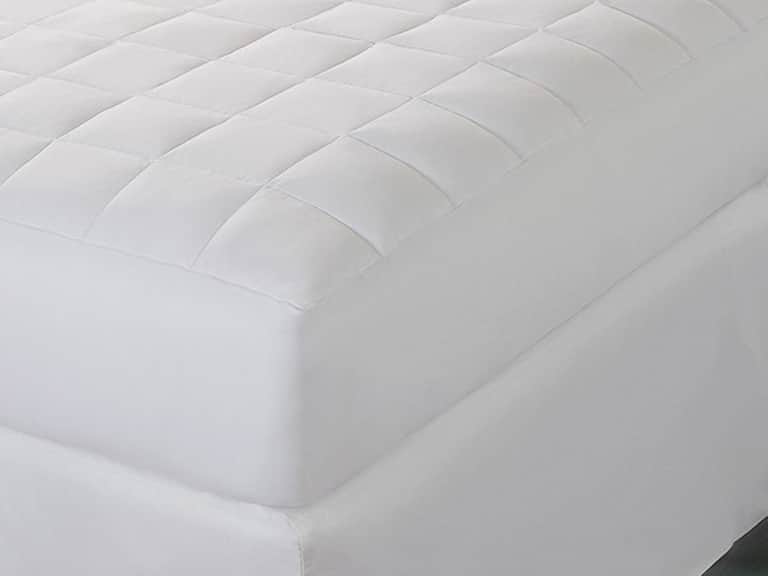
To illustrate the kind of products that can support allergen reduction in a responsible, non-promotional way, this section highlights a representative product that fits the article’s theme. The Arcadia Mattress Pad offers a breathable, protectively cushioned layer designed to balance comfort and hygiene. It features pluma-fil down-alternative fill within a 330-thread cotton sateen shell and a 6-inch sewn-through box construction to sustain even loft and a secure fit up to 17 inches deep. While the item is described here for its hygienic design and practical care, readers should evaluate it in the context of their own bedding needs and care routines.
Product details: Arcadia Mattress Pad, by Sferra, available with a link to the product page for further care instructions and specifications. This pad represents a thoughtful approach to combining comfort with a washable, barrier-friendly surface that supports a cleaner sleep environment.
Conclusion: Small Shifts, Big Sleep
Allergen reduction in the bedroom is not about dramatic overhauls; it is about consistent, practical habits that complement everyday life. By prioritizing mattress protection, clean bedding routines, and mindful material choices, homeowners and renters can create a sleep environment that supports health, comfort, and deeper rest. The journey toward a cleaner sleep environment starts with one decisive step: choose a dependable mattress protector, commit to a regular washing cadence, and cultivate a room atmosphere that favors airflow, lower humidity, and regular cleaning. The result can be a noticeable improvement in how you feel when you wake, night after night.
Published date: September 30, 2026
Keywords: mattress allergy, allergen reduction, bedding hygiene, dust mite control, mattress protector care, sleep environment, hypoallergenic bedding